
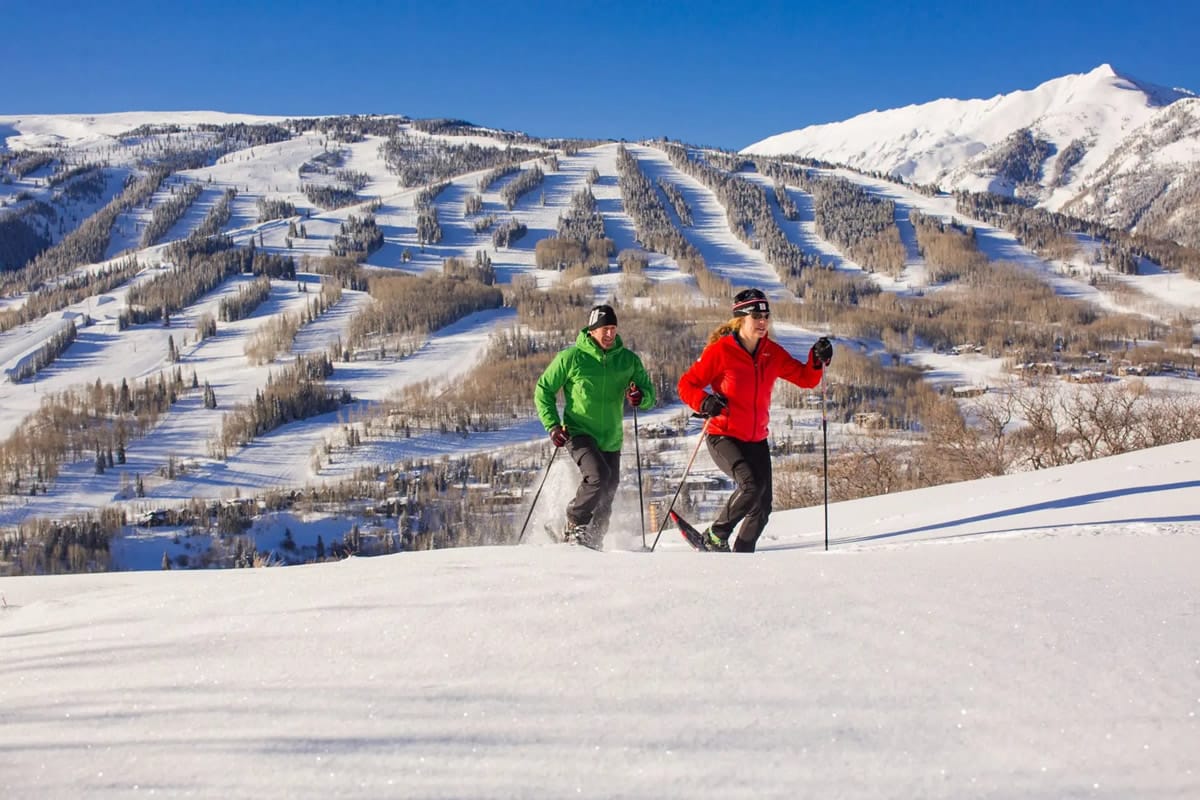
Discover One of the Fastest-Growing Winter Sports
For decades, skiing has been associated with riding chairlifts to the top of the mountain before enjoying the descent. Today, however, a growing number of skiers are embracing a different philosophy—one where the climb becomes just as rewarding as the ride back down.
Known as uphill skiing, skinning, or alpine touring, this rapidly growing winter sport combines fitness, adventure, and breathtaking mountain scenery into one unforgettable experience. Instead of relying on ski lifts, participants use specialized touring equipment to climb the mountain under their own power before enjoying the satisfaction of skiing back down.Snowmass has become one of Colorado’s premier destinations for uphill skiing thanks to its designated uphill routes, spectacular terrain, and strong commitment to safety. Unlike many ski resorts that limit uphill access, Snowmass welcomes uphill enthusiasts while requiring everyone to follow established policies designed to protect both uphill and downhill guests.
Whether you’re training for ski season, looking for a new fitness challenge, or simply wanting to experience the mountain from a completely different perspective, uphill skiing offers an adventure unlike anything else in Aspen Snowmass.
What Is Uphill Skiing?
Uphill skiing is exactly what its name suggests—climbing a ski mountain using your own strength before skiing back down.Instead of traditional alpine skis, uphill skiers use touring skis equipped with specialized bindings that allow the heel to move freely while climbing. Adhesive climbing skins attached to the base of the skis provide grip on the snow, allowing skiers to walk uphill without sliding backward.
Once they reach the summit, the skins are removed, the bindings are locked into downhill mode, and the adventure continues with a traditional alpine descent.
Splitboard riders follow a similar process using snowboards that separate into two ski-like sections for climbing before reconnecting at the top for the ride down.
This combination of endurance exercise and downhill skiing has become one of the fastest-growing disciplines in mountain sports.
Why Is Uphill Skiing Becoming So Popular?
In recent years, uphill skiing has experienced remarkable growth across North America.Part of its popularity comes from the unique combination of cardiovascular exercise, technical skiing, and outdoor exploration. Many experienced skiers enjoy the challenge of earning every turn instead of relying exclusively on chairlifts.
Others appreciate the peaceful atmosphere.
Early mornings on Snowmass Mountain are remarkably different from the busy hours later in the day. Before the lifts begin spinning, the mountain feels calm and quiet. Freshly groomed snow, sunrise over the Elk Mountains, and nearly empty trails create an experience that many skiers consider even more rewarding than the descent itself.
Fitness also plays a major role.
A single uphill session provides an exceptional cardiovascular workout while strengthening the legs, core, and overall endurance. For many athletes, uphill skiing has replaced traditional gym workouts during the winter months.
Why Snowmass Is an Ideal Destination for Uphill Skiing
Snowmass offers one of the most welcoming environments for uphill enthusiasts in Colorado.The mountain features thousands of acres of terrain, significant elevation gain, spectacular scenery, and several designated uphill routes that accommodate different ability levels.
Unlike many resorts where uphill access is heavily restricted, Snowmass allows uphill skiing during extended access hours while requiring visitors to follow clearly defined routes and operational guidelines. An Uphill Pass is required for those accessing the resort without using ski lifts.
This commitment has helped establish Snowmass as one of the leading destinations for uphill skiing in the Rocky Mountains.
The Difference Between Uphill Skiing and Backcountry Skiing
Although the terms are sometimes confused, uphill skiing at Snowmass is very different from backcountry skiing.Backcountry skiing typically takes place outside resort boundaries where avalanche control, ski patrol, and maintained trails may not exist.At Snowmass, uphill skiing occurs within a managed ski resort following designated uphill routes and operating policies established by Aspen Snowmass.
This controlled environment makes it an excellent place for beginners to develop their touring skills before eventually exploring more advanced backcountry terrain.
Even so, uphill skiing remains a mountain activity that requires preparation, awareness, and respect for changing conditions.
Designated Uphill Routes at Snowmass
To ensure everyone enjoys the mountain safely, Snowmass has established several designated uphill routes.These routes help separate uphill travelers from downhill skiers while providing efficient access to different areas of the mountain.
Among the most popular routes are:
Elk Camp Route
Starting from Snowmass Base Village, this route follows Funnel toward Elk Camp Restaurant and is often recommended for first-time uphill skiers because it provides a straightforward climb with spectacular scenery.
Sam’s Knob Route
This is one of the mountain’s most challenging uphill experiences.
Climbing approximately 2,000 vertical feet, the route rewards participants with outstanding panoramic views and an unforgettable descent.
Local uphill enthusiasts often consider this one of the best conditioning routes in Aspen Snowmass.
High Alpine Route
This route leads toward the High Alpine area and offers another rewarding climb for experienced participants looking to explore higher elevations.
Two Creeks Route
Located on the western side of Snowmass, this route provides another excellent option depending on snow conditions and operational status.Because route availability may change due to weather, grooming operations, or avalanche mitigation, visitors should always verify the latest uphill route status before beginning their climb.
Essential Equipment for Uphill Skiing
Unlike traditional alpine skiing, uphill skiing requires specialized equipment designed specifically for climbing.Essential gear includes touring skis or a splitboard, alpine touring bindings, climbing skins, lightweight touring boots with walk mode, adjustable ski poles, and clothing that can be layered as body temperature changes throughout the climb.
Many visitors who are trying the sport for the first time choose to rent equipment from local outfitters in Aspen or Snowmass.
Rental specialists can recommend equipment appropriate for your ability level while explaining how to transition between climbing and downhill modes.
Dressing for Success
One mistake many beginners make is dressing too warmly.Because uphill skiing is physically demanding, your body generates significant heat during the climb.Experienced uphill skiers typically wear lightweight, breathable layers that can easily be removed or added depending on weather conditions.
Moisture-wicking base layers, an insulating mid-layer, a lightweight shell jacket, gloves, sunglasses, sunscreen, and a small backpack for extra clothing and water are usually all that’s required.
Remember that temperatures near the summit may be considerably colder than those at the base of the mountain.
Mountain Safety Always Comes First
One of the reasons Snowmass continues allowing uphill skiing is because visitors generally respect the mountain’s operating rules.Uphillers are expected to remain on designated routes, stay visible to downhill traffic, avoid snowmaking equipment, obey all posted closures, and remain alert to changing mountain conditions.
During early morning or evening hours, headlamps and rear lights are strongly encouraged to improve visibility.Visitors should also remember that ski patrol services may not be available outside normal resort operating hours.Following these guidelines helps preserve uphill access for everyone while ensuring a safe experience throughout the season.
A Reward Unlike Any Other
Ask experienced uphill skiers why they return week after week, and many will give the same answer.
It’s not simply about skiing downhill.
It’s about watching the sunrise over the Elk Mountains after climbing under your own power.
It’s about hearing nothing except the sound of your skis moving across fresh snow.
It’s about reaching the summit knowing every turn has been earned through your own effort.
That feeling of accomplishment transforms an ordinary ski day into something much more personal.
For many visitors, one uphill session is all it takes to understand why this sport has become one of the fastest-growing winter activities in Colorado.
Arrive Ready to Climb
An uphill skiing adventure often begins long before stepping onto the snow.
Driving mountain roads before sunrise, navigating winter conditions, and searching for parking can quickly diminish the excitement of the day.
With Great Divide Transportation, you can begin your Snowmass adventure in complete comfort.
We provide luxury private transportation from Aspen/Pitkin County Airport (ASE), Denver International Airport (DEN), Eagle County Regional Airport (EGE), Grand Junction Regional Airport (GJT), and destinations throughout Colorado directly to Snowmass Village.
Whether you’re visiting for a morning training session, a guided alpine touring experience, or a week exploring Aspen Snowmass, our professional chauffeurs ensure every journey is safe, comfortable, and completely stress-free—allowing you to focus on earning your turns and enjoying one of Colorado’s most rewarding mountain adventures.